We have all probably heard at least one of these statements before:
“Men are just better at science.”
“Girls mature faster.”
“Some communities are naturally hardworking.”
“They’re just built that way.”
These lines are repeated by many people around us and sometimes even echoed by ourselves. They sound familiar and start to blend into the background, shaping unconscious beliefs. It is easy to accept them: of course girls are bad drivers, everyone says it.
However, these sayings do not hold up under scrutiny. There is little evidence that any community is naturally more hardworking, or that one gender is inherently better at a skill beyond what is shaped by socialisation while growing up. When facts are examined, broad claims about gender, racial, or caste superiority quickly seem baseless.
Why do myths about discrimination, equality, and group differences persist even when we know they are false?
It begins with the brain.
Human cognition is built for shortcuts. We see patterns, label them, and store them for convenience. This is useful when identifying plants or remembering traffic signals, but it can be harmful when applied to people. When the brain associates a trait with a group (“leaders look like this,” “this surname means that”), it rarely lets go. Even with contradicting evidence, the old pattern feels safer and more familiar.
Psychologists call this phenomenon an “illusory correlation.” Our minds connect two things that are not truly related. You might meet a rude person from a particular city, and unconsciously assume that everyone from that city behaves similarly. That one experience becomes a mental shortcut. Every future interaction is shaped by the stereotype you have developed.
Culture adds another layer. Cultural influences such as schools, movies, and family stories pass down these stereotypes as if they were tradition. Children quickly learn who is presented as the hero, who is the helper, and who fades into the background. As adults, these social roles feel natural and rarely get questioned.
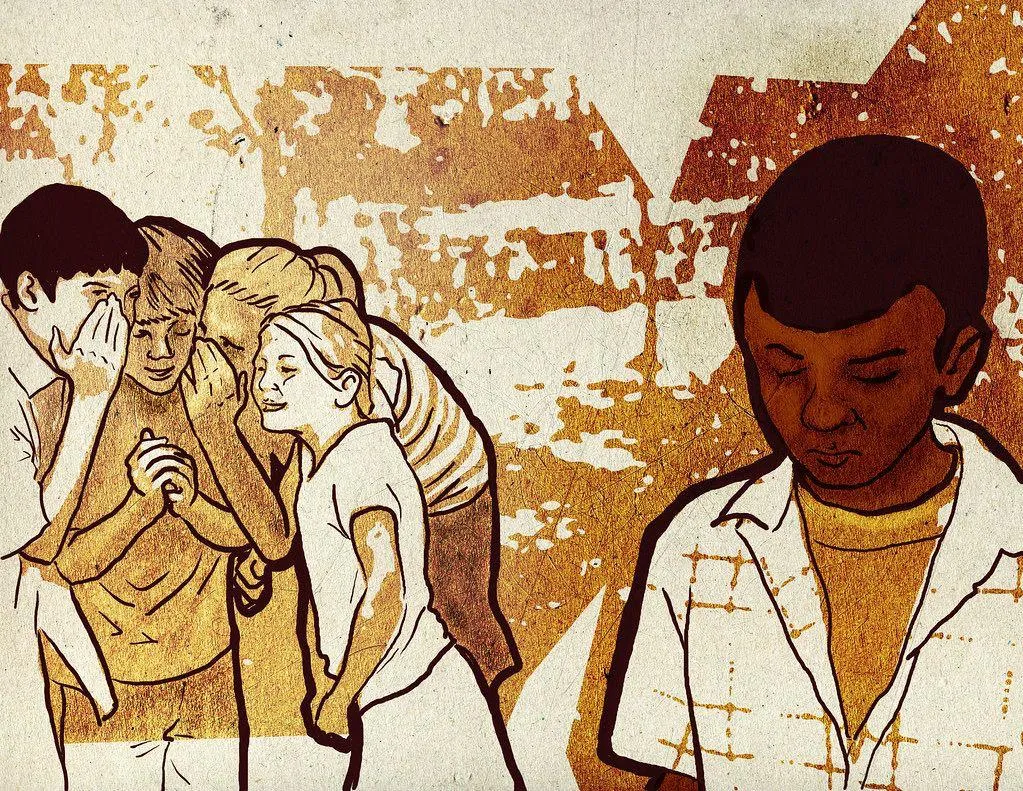
As we get older, it is easy to forget how these myths leave real scars. Childhood stereotypes can erode self-esteem and create lasting insecurities. Even when life gets busy and adulthood takes over, these early beliefs can subtly undermine confidence in ourselves and others.
Yet, there is comfort in holding onto these beliefs. They make the world feel simpler and justify systems as fair if we believe success is only based on “merit.” Psychologists refer to this tendency as “system justification,” where people defend unfair structures because it feels less threatening than acknowledging chaos.
Challenging these beliefs can be uncomfortable. Our brains are conditioned to think in certain ways, and shifting these perspectives takes effort and self-awareness.
Everyone harbors bias, but some are better than others at noticing when it influences their behavior. Increasing awareness and choosing empathy can help break down and rewrite the stereotypes that harm society.
The goal is not shame over what we have internalized, but curiosity about why we believe what we do. By paying attention to how our attitudes affect those around us, we can move past harmful bias and move toward greater happiness and confidence for all.